
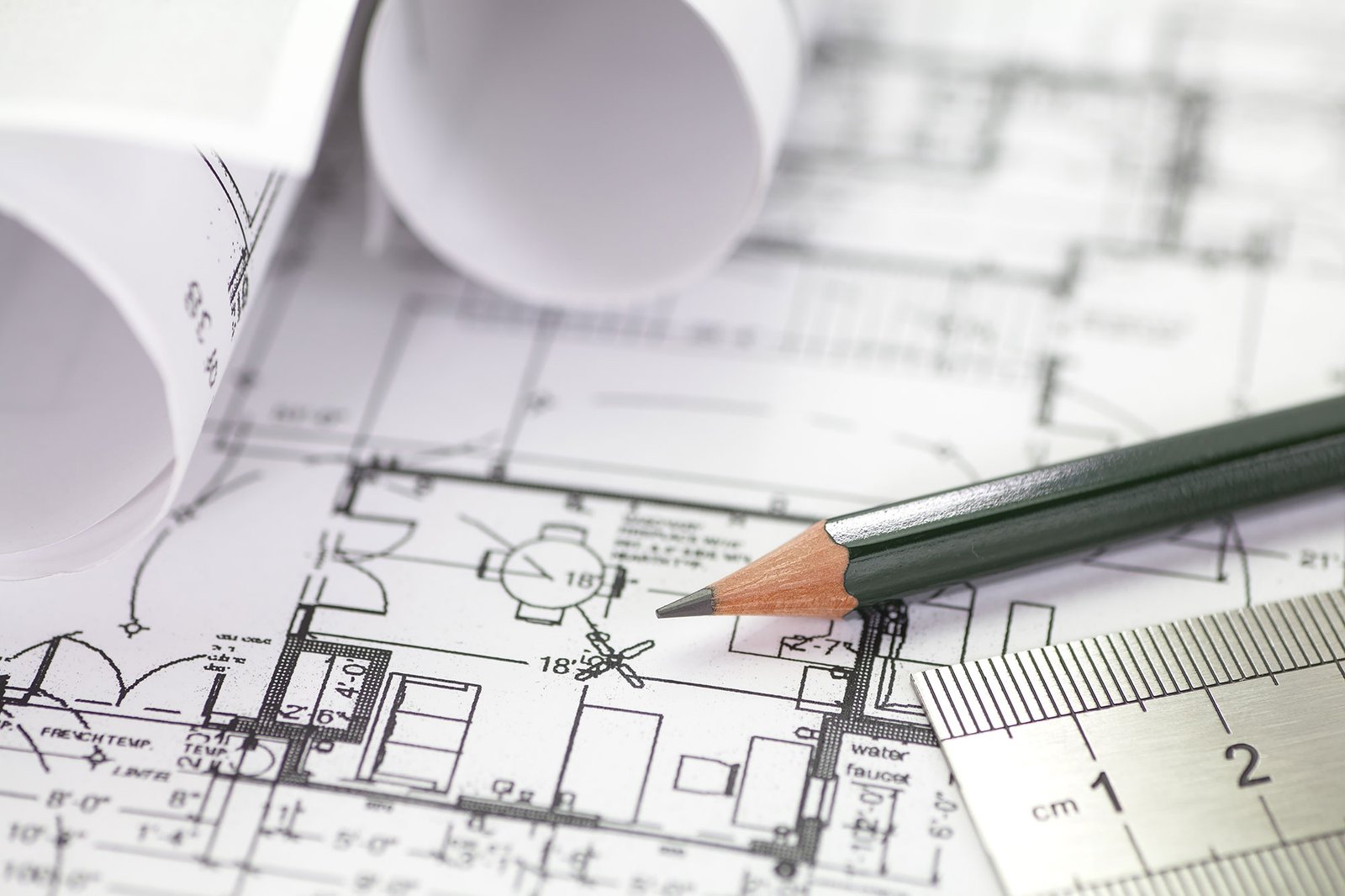
FIRE FIGHTING DESIGNING
Fire Fighting Designing involves the planning and implementation of fire protection systems to ensure safety and compliance in buildings. Effective fire fighting design is crucial for safeguarding lives, protecting property, and meeting regulatory standards. Here’s an overview of key components involved in fire fighting designing:
1. Fire Risk Assessment
-
Site Evaluation:
- Conduct a comprehensive assessment of the building or site to identify potential fire hazards and risks.
- Evaluate building layout, occupancy, and fire load to determine appropriate fire fighting measures.
-
Risk Analysis:
- Analyze risks associated with different areas of the building, such as storage areas, kitchens, and electrical rooms.
- Identify high-risk zones that require enhanced fire protection.
2. Design and Planning
-
System Design:
- Design fire fighting systems, including fire sprinkler systems, fire extinguishers, fire hose reels, and standpipe systems.
- Plan for integration of fire alarms, detection systems, and emergency lighting.
-
Hydraulic Calculations:
- Perform hydraulic calculations to ensure that fire sprinkler systems and other water-based systems provide adequate coverage and pressure.
- Design systems to meet the required flow rates and pressures for effective fire suppression.
-
Compliance:
- Ensure designs comply with local fire codes, building regulations, and industry standards.
- Prepare documentation and plans for regulatory approvals and permits.
3. System Integration
-
Coordination:
- Integrate fire fighting systems with other building systems, such as HVAC, electrical, and plumbing, to ensure seamless operation.
- Coordinate with other design teams and contractors to prevent conflicts and optimize system performance.
-
Fire Alarm Systems:
- Design and integrate fire alarm systems that provide early detection and alert occupants.
- Ensure alarms are connected to the building’s emergency response systems.
4. Installation Oversight
-
Project Management:
- Oversee the installation of fire fighting systems to ensure they are implemented according to design specifications.
- Coordinate with contractors and ensure that all components are installed correctly.
-
Quality Assurance:
- Conduct inspections and testing of installed systems to verify their functionality and compliance with design requirements.
- Address any issues or adjustments needed during the installation phase.
5. Testing and Commissioning
-
System Testing:
- Perform comprehensive testing of fire fighting systems, including pressure tests, flow tests, and system activation tests.
- Verify that all systems operate correctly and meet performance standards.
-
Commissioning:
- Complete the commissioning process to ensure all systems are fully operational and integrated with emergency response protocols.
- Provide documentation and reports on system performance and compliance.
6. Training and Documentation
-
User Training:
- Train facility managers and staff on the operation and maintenance of fire fighting systems.
- Provide guidance on emergency procedures and system usage.
-
Documentation:
- Provide detailed documentation, including system manuals, maintenance schedules, and compliance certificates.
- Ensure that all documentation is clear and accessible for future reference.
7. Maintenance and Support
-
Ongoing Maintenance:
- Offer regular maintenance services to ensure fire fighting systems remain in good working condition.
- Perform periodic inspections and updates as needed to maintain system performance.
-
Emergency Support:
- Provide emergency support for any issues or failures with fire fighting systems.
- Ensure a responsive support system for quick resolution of problems.
Why Choose Our Fire Fighting Designing Services?
- Expert Design: Professional planning and design of fire fighting systems tailored to your needs.
- Risk Assessment: Comprehensive risk analysis to identify and address potential fire hazards.
- Compliance: Adherence to all relevant codes, regulations, and standards.
- System Integration: Seamless coordination with other building systems for optimal performance.
- Quality Assurance: Thorough testing and oversight to ensure system effectiveness.
- Training and Documentation: Detailed user training and comprehensive documentation.
- Ongoing Support: Reliable maintenance and emergency support services.
For effective fire fighting designing that ensures safety, compliance, and reliability, choose our services to protect your building and its occupants.